Copenhagen has a way of blending elegance, creativity, and everyday simplicity that few European capitals can rival. Compact yet rich in experiences, the Danish capital is easy to explore without feeling rushed, even over a relatively short stay. Whether you’re drawn by its historic waterfronts, cutting-edge food scene, or bicycle-friendly streets, Copenhagen rewards travelers who take the time to move at a gentle pace and observe daily life.
Spending several days in the city allows you to go beyond the postcard images and discover the neighborhoods, habits, and hidden corners that give Copenhagen its distinctive personality.
A city shaped by water, history, and design
Copenhagen’s geography plays a major role in its appeal. Built across islands and laced with canals, the city feels open and breathable. The harbor is no longer an industrial zone but a living space where people swim, kayak, and gather at sunset. This close relationship with water defines the rhythm of the city and influences everything from architecture to urban planning.
Historically, Copenhagen grew around royal power and maritime trade. Castles, former fortifications, and grand squares still structure the city today, but they coexist with modern buildings, minimalist interiors, and bold contemporary design. This balance between old and new feels effortless rather than staged.
Understanding Copenhagen through its neighborhoods
One of the best ways to experience Copenhagen is by exploring its neighborhoods, each with a distinct atmosphere.
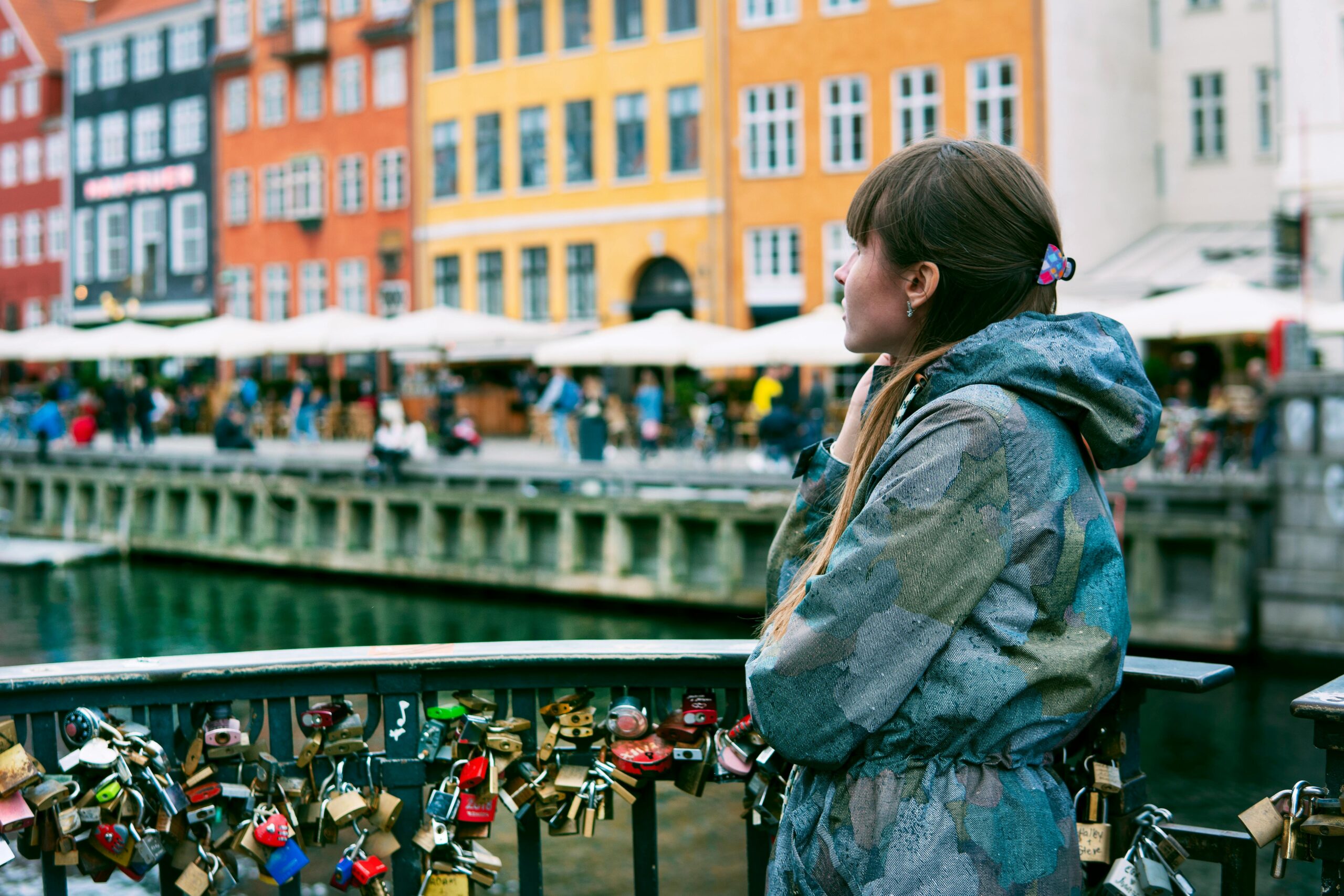
Indre By, the historic center, is where many first-time visitors begin. Here you’ll find colorful Nyhavn, the Royal Palace at Amalienborg, and Strøget, one of Europe’s longest pedestrian shopping streets. While busy during the day, early mornings and evenings reveal a quieter side of the old town.
Crossing the bridge to Christianshavn brings a different mood. Inspired by Dutch urban planning, this area feels more residential and creative. Its canals are calmer, and places like Freetown Christiania offer a glimpse into Copenhagen’s alternative culture.
Vesterbro, once a working-class district, has transformed into one of the city’s trendiest areas. Cafés, bakeries, and small galleries line the streets, while the Meatpacking District comes alive at night with restaurants and bars. Nørrebro, further north, is multicultural and energetic, known for its vintage shops, street food, and relaxed nightlife.
Moving around like a local
Transportation in Copenhagen is refreshingly simple. Biking is more than a lifestyle choice here — it’s the default. Dedicated bike lanes cover the entire city, making it easy even for visitors to feel confident on two wheels. Renting a bike not only saves time but also gives you a more authentic sense of daily life.
Public transport is equally efficient. Metro lines run automatically and frequently, connecting the airport to the city center in minutes. Buses and trains are clean, punctual, and well integrated, so there’s rarely a need for a car.
Walking, however, remains underrated. Copenhagen’s scale makes it ideal for wandering without a plan, allowing spontaneous discoveries of courtyards, small parks, and neighborhood bakeries.
Planning your stay without rushing
Many travelers wonder how long is “enough” to see Copenhagen. While the city can be sampled in a weekend, a longer stay offers a deeper and more relaxed experience. Organizing your time thoughtfully helps avoid the feeling of hopping from attraction to attraction without truly absorbing the atmosphere.
That’s where structured yet flexible planning becomes useful. For travelers looking to balance must-see sights with slower moments, this itenary for 5 days in Copenhagen offers a practical way to organize visits, neighborhoods, and daily rhythms without turning the trip into a checklist. Having a clear framework leaves more mental space to enjoy spontaneous moments, whether that’s lingering over coffee or detouring into a quiet street.
Food culture beyond the clichés
Copenhagen’s culinary reputation extends far beyond Michelin-starred restaurants. While fine dining has put the city on the global map, everyday food culture is just as interesting.
Breakfast often revolves around fresh bread, pastries, and strong coffee. Bakeries are everywhere, each with its own loyal following. Smørrebrød remains a lunchtime classic, combining simplicity with careful presentation.
Street food markets like Reffen and Torvehallerne showcase both traditional Danish flavors and international influences. Eating in Copenhagen doesn’t require a formal reservation; some of the most memorable meals happen on a bench by the water or in a small neighborhood café.
Green spaces and everyday calm
Despite being a capital city, Copenhagen feels remarkably calm. Parks and green spaces are woven into the urban fabric, offering easy escapes from the streets. King’s Garden, near Rosenborg Castle, is a favorite meeting point in good weather, while Frederiksberg Gardens provides wide lawns, canals, and quiet corners.
Even cemeteries, such as Assistens Kirkegård, double as public spaces where people read, walk, or simply sit. This relaxed approach to urban life reflects the Danish concept of balance, where productivity and leisure are not seen as opposites.
Cultural life without intimidation
Copenhagen’s museums and cultural institutions are approachable rather than overwhelming. The National Museum offers insight into Danish history without feeling dense, while design and architecture museums reflect the country’s global influence.
Art lovers can explore both classical collections and contemporary spaces, but there’s no pressure to see everything. Copenhagen encourages selective curiosity, choosing what genuinely interests you instead of trying to cover it all.
Live music, theater, and seasonal festivals add another layer to the city’s cultural life, often taking place in informal settings rather than grand venues.
When to visit and what to expect
Copenhagen changes noticeably with the seasons. Summer brings long daylight hours, outdoor dining, and festivals, creating a lively but still relaxed atmosphere. Spring and early autumn offer mild weather and fewer crowds, ideal for walking and cycling.
Winter, though colder and darker, has its own charm. Christmas markets, candlelit cafés, and the hygge mindset make the city feel intimate and cozy rather than bleak. Visitors who embrace the slower pace often find winter stays surprisingly rewarding.
A city that grows on you
Copenhagen rarely tries to impress in obvious ways. Its charm lies in consistency, comfort, and thoughtful design rather than spectacle. Over several days, small details start to stand out: how people interact with public spaces, how nature blends into the city, and how daily routines feel both efficient and relaxed.
This is a destination that doesn’t demand constant attention but quietly earns appreciation. The longer you stay, the more natural it feels to slow down, observe, and participate in the Copenhagen way of life.
Discover more from Ramen And Food
Subscribe to get the latest posts sent to your email.